HAIRLINE LOWERING TRANSPLANT · BAY AREA

A Lower, Softer Hairline Designed for Your Face

Shorten a high forehead or fill receding temples using your own hair. No incision across the front of your scalp. Designed and placed by Dr. Paul Rose, one of the surgeons who helped pioneer natural hairline design.

5.0 Average Rating

Prefer to talk?
Call (925) 687-8882

DR. ROSE FEATURED IN

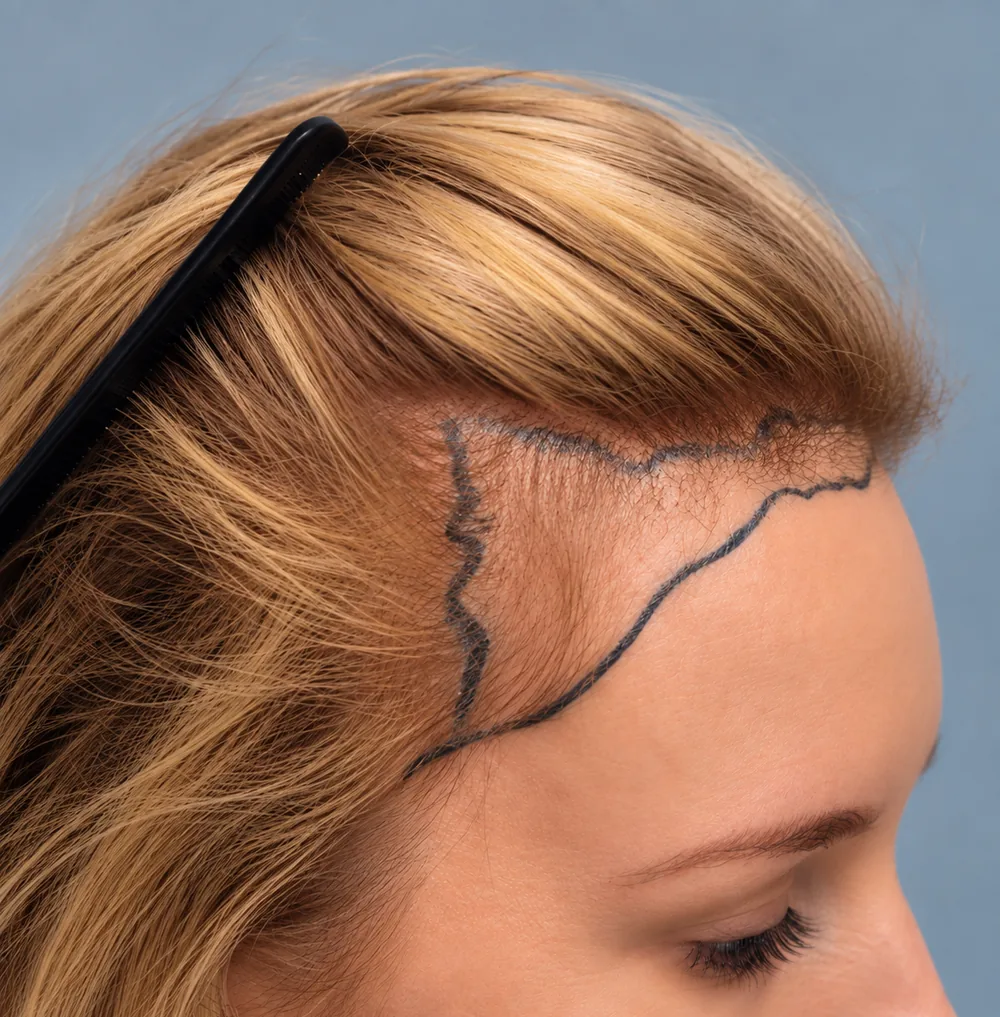
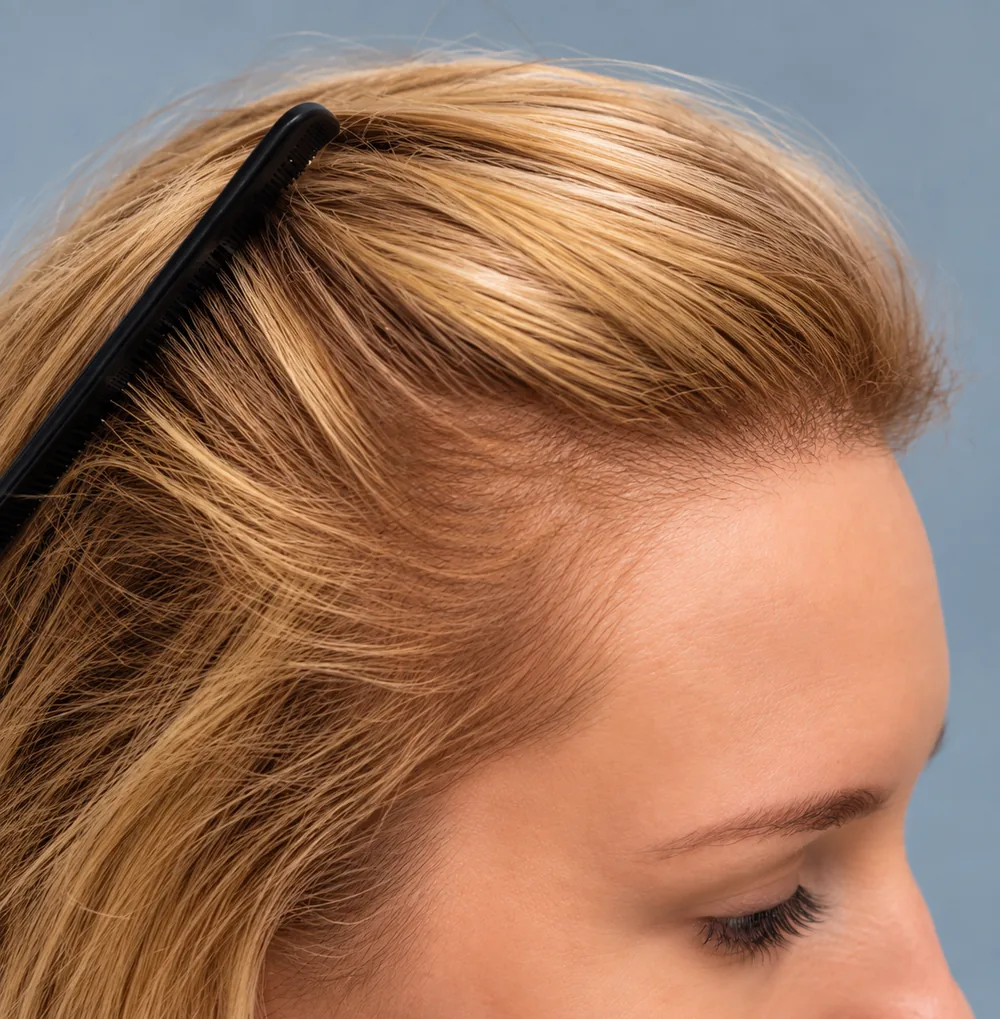
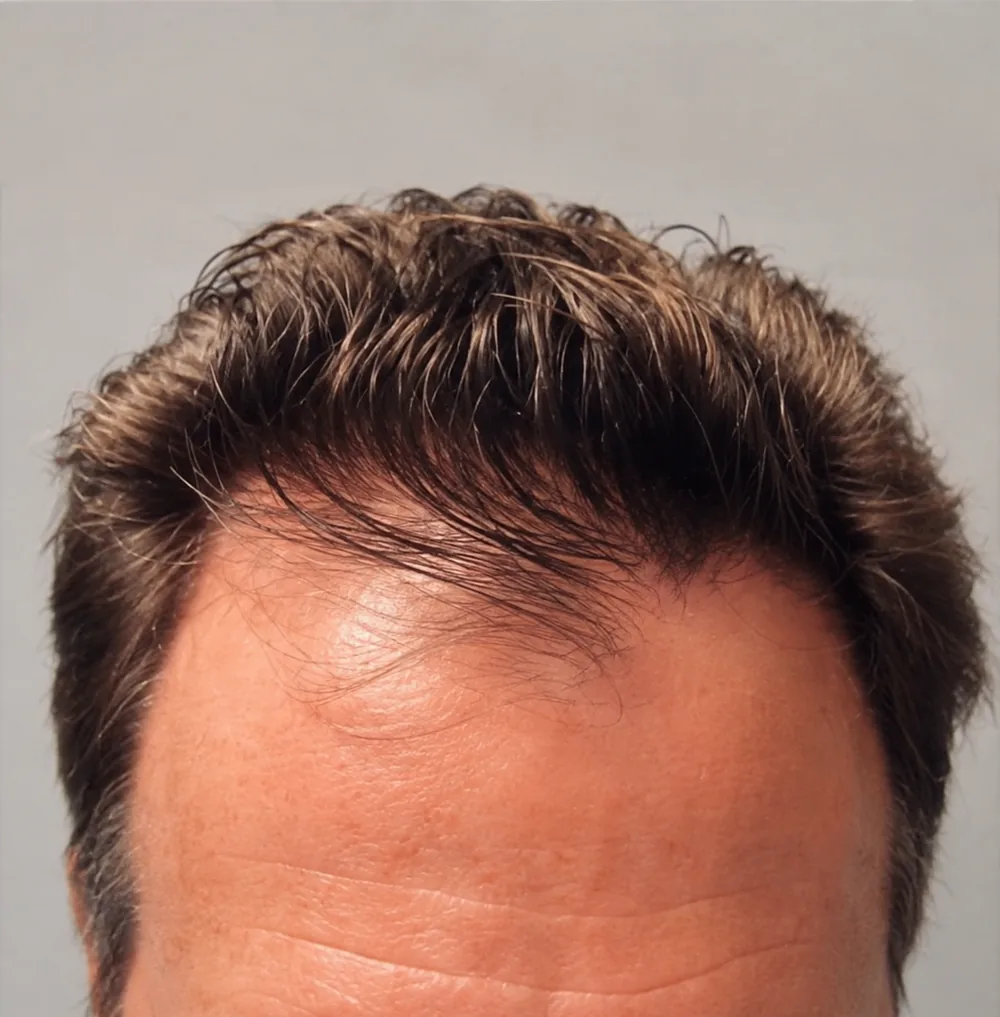
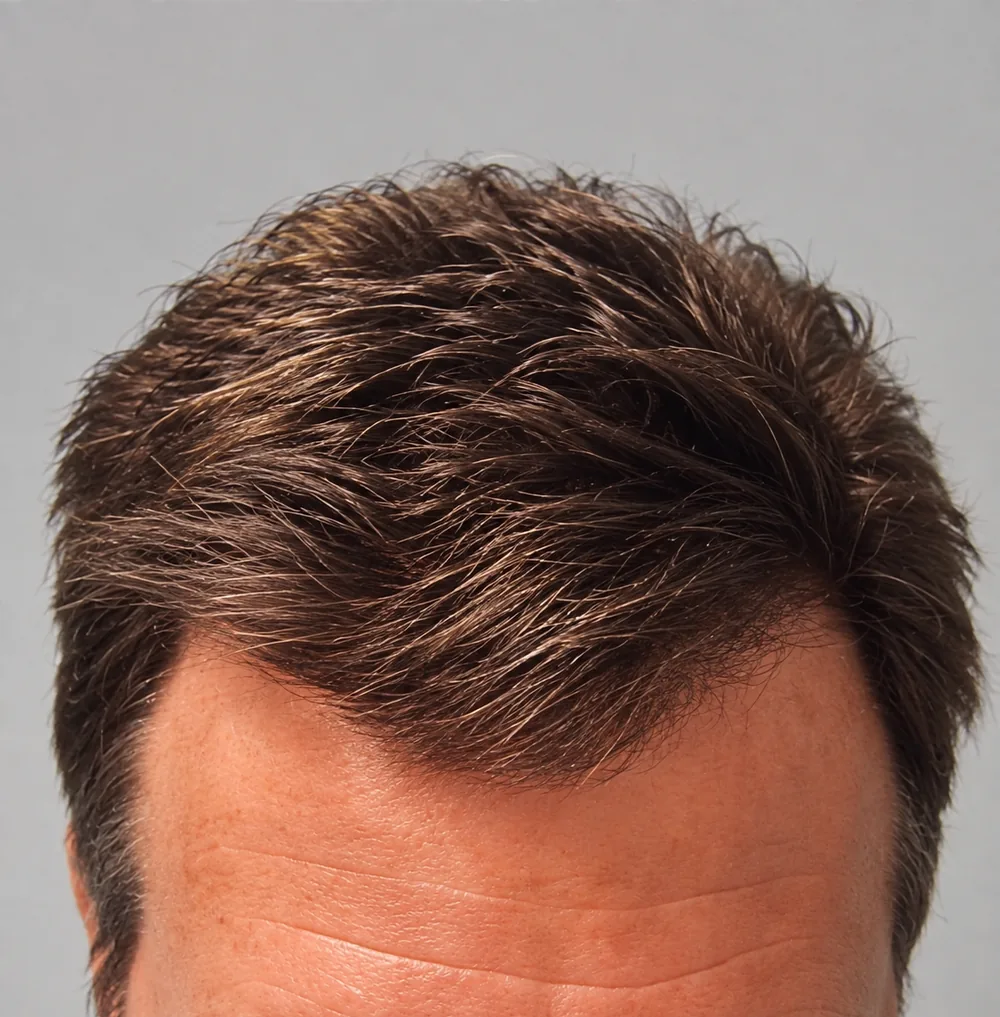
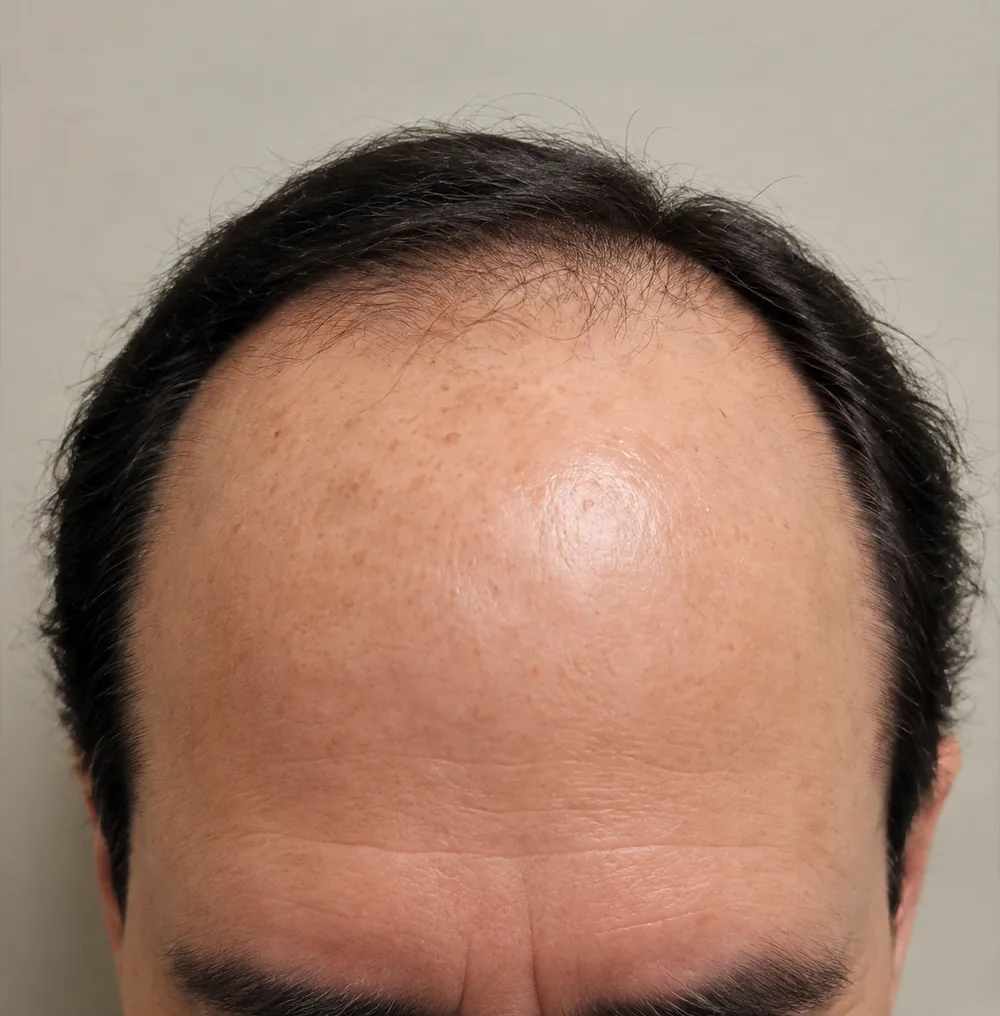
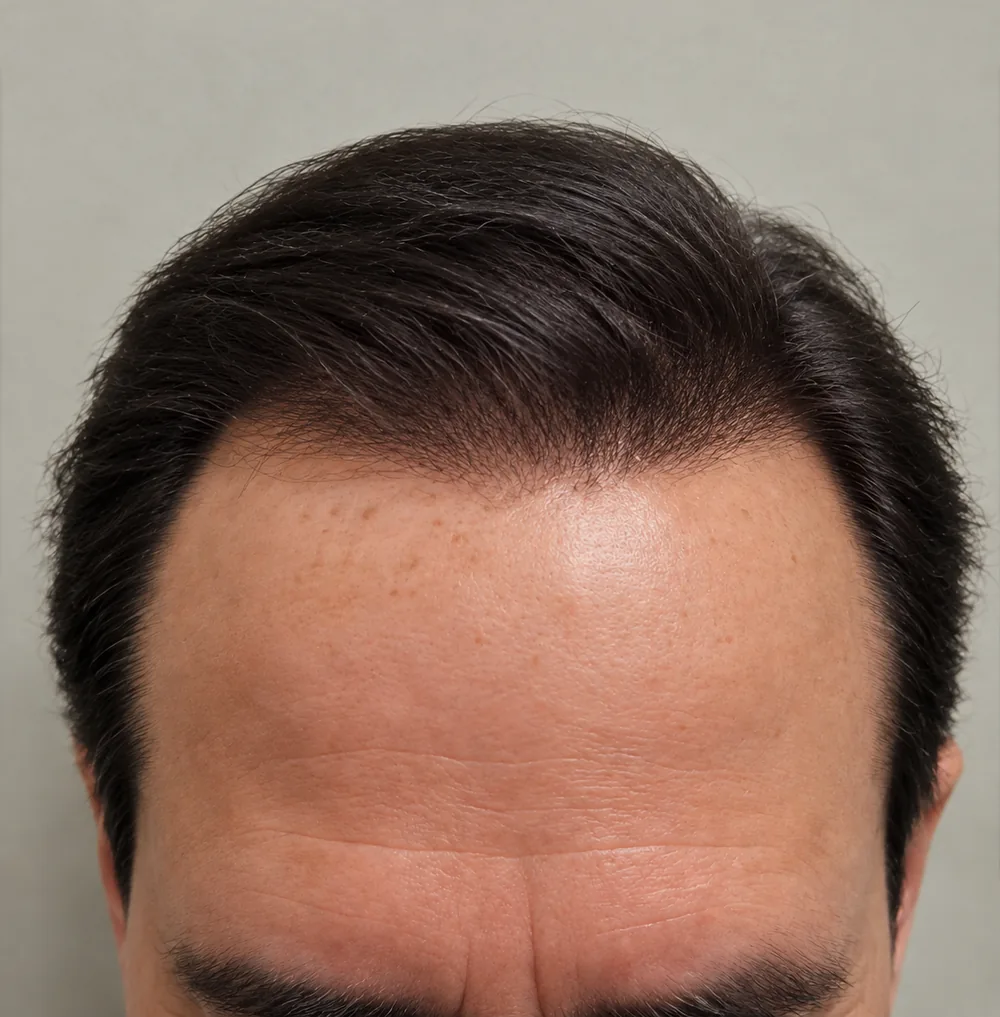
REAL PATIENT · DR. ROSE'S RESULT

Millimeters Change the Whole Face

Hairline Restoration — FUE 1,500 grafts
Crown Restoration — FUT 1,800 grafts
Hairline + Frontal Density — FUE 2,000 grafts

KNOW YOUR OPTIONS

Why a Transplant Instead of Forehead Reduction?

Forehead reduction surgery primarily lowers the existing hairline rather than creating an entirely new hairline one follicle at a time.
Where does the hair come from?
Hair is taken from the permanent donor area, usually at the back and sides of the scalp, using FUE or FUT depending on your individual treatment plan.

$7 / graft

FUT

$5 / graft

FUE

Who designs and performs my hairline transplant?
Dr. Rose personally evaluates your facial proportions, designs the new hairline with you and creates the recipient sites that determine the placement, angle and direction of the transplanted hair. He performs the procedure with the assistance of his experienced hair-restoration team.

Not sure which fits you? Dr. Rose will tell you honestly. Book a consultation →

A Natural Hairline Is Designed, Not Just Filled In

Your Hairline Is the First Thing People See

Great growth isn’t enough. A hairline placed too low, drawn too straight or angled wrong looks fake. Dr. Rose helped develop the natural hairline techniques used across the field today.
“A successful hair transplant should not look like a hair transplant at all.”

Single hair up front

The leading edge uses single hair grafts for a soft, believable
border.

Density behind it

Larger grafts placed further back build fullness.

Every angle controlled

Each site is made by Dr. Rose so hair grows in your natural direction.

Built to age well

Planned for how your hair will look in 10–20 years, not just next year.

Who Hairline Lowering Is For

Women

A naturally high hairline, long forehead, or recessed corners that make the face look older or more angular. Designed as a soft, rounded, feminine shape that suits you.

Men

Temple or frontal recession. Dr. Rose plans for future hair loss so your new hairline still fits you years from now.

Gender-affirming care

Hairline feminization or masculinization, planned collaboratively around the look you want.

How It Works

01

Consultation

Dr. Rose checks your facial proportions, donor hair and long-term hair loss risk.

02

Draw it together

Your new hairline is drawn on and reviewed with you, seated upright, before anything starts.

03

Procedure day

Local anesthesia. Many patients read, listen to music or nap. Back to desk work in 5-7 days.

04

Grow in

New growth starts around 3–4 months. Final result develops over about a year.

What Our Patients Are Saying

This is a well staff office, friendly and knowledgeable. Dr. Rose did a great job of helping return my hair to its natural state! Thank you!

— India Cox

Dr Rose’s solution to stop my hair is working! The new hair coming in is higher quality. I’m excited how easily Dr Rose address this.

— Terry Angus

Staff wonderful. Dr Rose is cool. Nurses are patient kind and helpful.

— Linda Thompson

Common Questions

How much can my hairline be lowered?
There isn’t one standard distance. Dr. Rose considers your facial proportions, existing hairline, donor supply, hair density and long-term hair-loss risk before determining what will look natural.
The leading edge is created primarily with individual follicular units and placed with careful control over angle, direction and irregularity. The goal is a hairline that looks naturally grown rather than surgically drawn.
Transplanted follicles are generally selected from donor areas that are more resistant to pattern hair loss. Existing non-transplanted hair can still change over time, which is why long-term planning matters.
Neither is automatically better. A transplant provides more flexibility for reshaping temples, corners and the entire hairline, while forehead-reduction surgery physically advances the existing hairline. Your anatomy and goals determine which approach makes more sense.
That depends on how far the hairline is being moved, the width of the area, temple involvement, existing density and the design you choose. Dr. Rose determines the graft requirement during consultation.
Yes. Hair transplantation can be used to reduce the appearance of a naturally high forehead, fill recessed corners or create a softer hairline when sufficient donor hair is available.
The lowest possible hairline isn’t necessarily the best hairline. Dr. Rose considers your forehead height, facial proportions, age, donor supply and risk of future hair loss when designing a position that looks natural today and continues to make sense years from now.

Ready to Find Out What's Possible?

A private consultation with Dr. Rose. No obligation, no pressure just an honest plan.

Pleasant Hill

400 Taylor Blvd, Suite 301 (925) 687-8882

San Francisco

450 Sutter St, Suite 1426
(925) 357-9050